Modesty in Islam isn’t what most people think it is.
When the world looks at modesty, especially in Islam, they often see rules, restrictions, or even oppression. But honestly, that view couldn’t be further from the truth. If you dig a little deeper, you’ll find that modesty is actually one of the biggest power moves you can make. It’s about taking back control of your identity, your space, and your worth in a noisy, chaotic world.
This isn’t just about clothing, by the way. This is about a complete lifestyle adjustment. Modesty in Islam is a 360 degree concept that includes how we act, how we talk, and even how we look at other people. It’s an empowering tool designed to give you inner peace and freedom from the toxic pressure to perform for others.
Let’s unpack this misunderstood concept and look at five huge ways modesty in Islam transforms your life from the inside out.
Modesty in Islam: The Ultimate Freedom from Society’s Gaze
It’s a Declaration of Self Worth, Not a Hiding Place
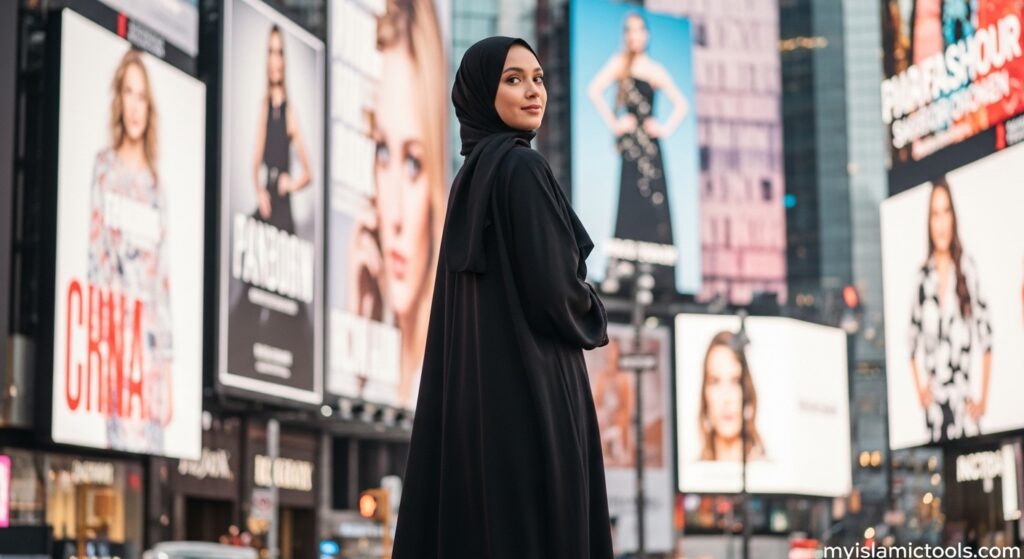
Think about it: from the moment we are teenagers, society is constantly telling us we have to look a certain way, wear the latest trends, and seek approval based on our appearance. It’s exhausting! That constant need for validation is a kind of prison.
The beauty of modesty in Islam is that it flips that whole script upside down. It’s a quiet declaration that says: “My value, my intelligence, my character, and my connection to God are what matter. My body and my personal style are not up for public comment or consumption.”
This isn’t about hiding. It’s about revealing your true self, your essence, beneath the superficial layers of fashion trends and consumerism. It puts your identity in your own hands, not in the hands of marketeers or magazines.
The Focus Shifts from the Physical to the Intellectual
When a woman or man embraces modesty in Islam, they are intentionally directing attention away from the surface. What happens next is incredible: the focus naturally shifts to what is underneath. People are forced to engage with your ideas, your conversation, and your wisdom.
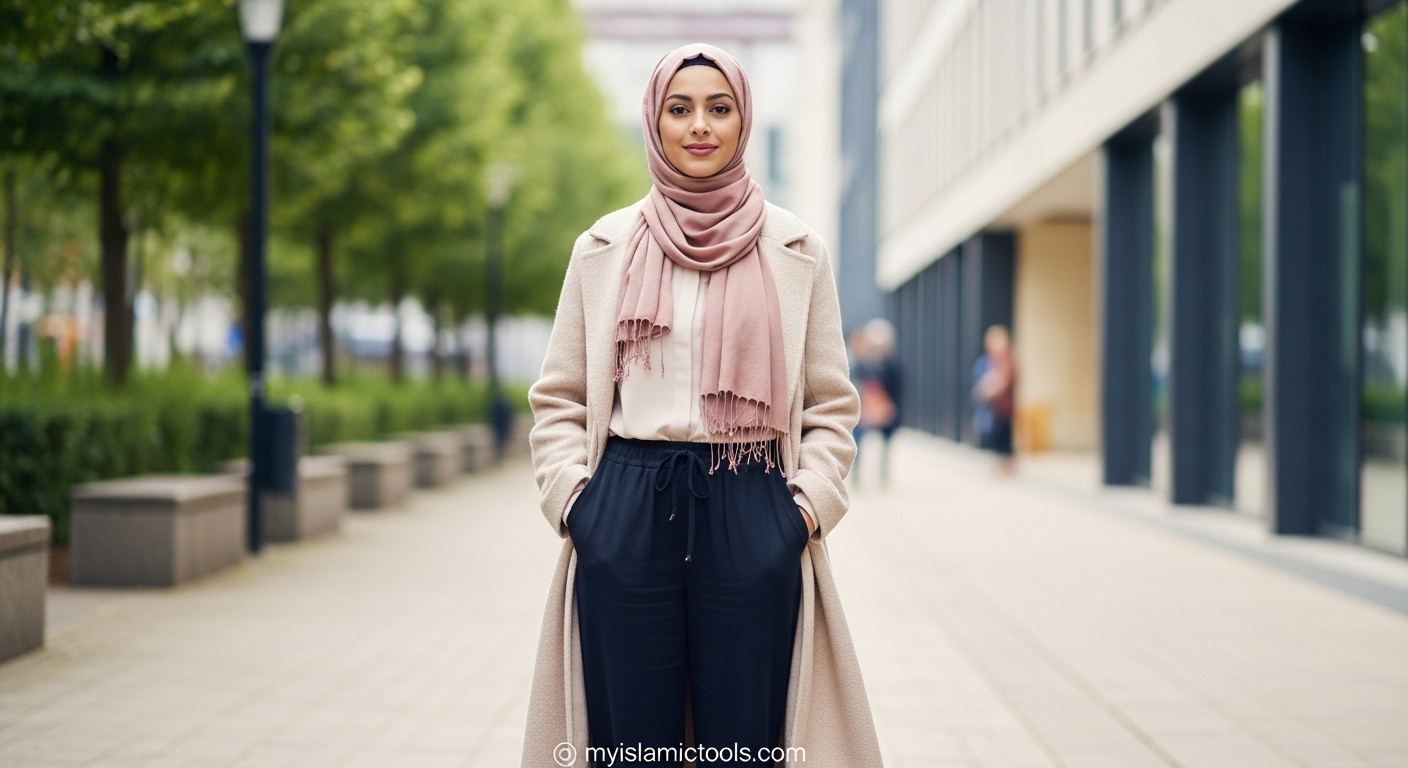
This empowerment is especially true for women who choose to wear the hijab. It immediately filters conversations. It says: talk to me about my work, my ideas, or my faith, not my hair or my clothing size. This creates space for genuine, respectful engagement that is deeply empowering and meaningful. It ensures that your contribution to the world is based on your mind, not just your looks.
Modesty in Islam: A Tool for Financial Liberation
Let’s be real about the fashion industry. It is designed to make you feel inadequate so you buy more things. It’s a non stop treadmill of obsolescence. You have to keep buying new items just to keep up. This chase costs time, energy, and a ton of money.
Modesty in Islam offers financial liberation. By choosing timeless, simpler, covering clothing, you are opting out of that rapid consumer cycle.
- Less Pressure to Shop: You stop buying clothes just to make a statement or follow a fleeting trend.
- More Focus on Quality: You invest in long lasting pieces that serve a functional purpose.
- Freedom to Save: The money and time saved can be directed towards education, charity, or supporting your family.
This economic independence is a huge source of power and reduces financial anxiety, which is a key part of having peace of mind.
More Than Just Hijab: The All Encompassing Nature of Modesty in Islam
We often talk about the hijab when discussing modesty, but the core concept of Hayā (shame, modesty, self respect) applies to everyone and everything. It is a universal principle of restraint and dignity.
Modesty in Speech and Conversation
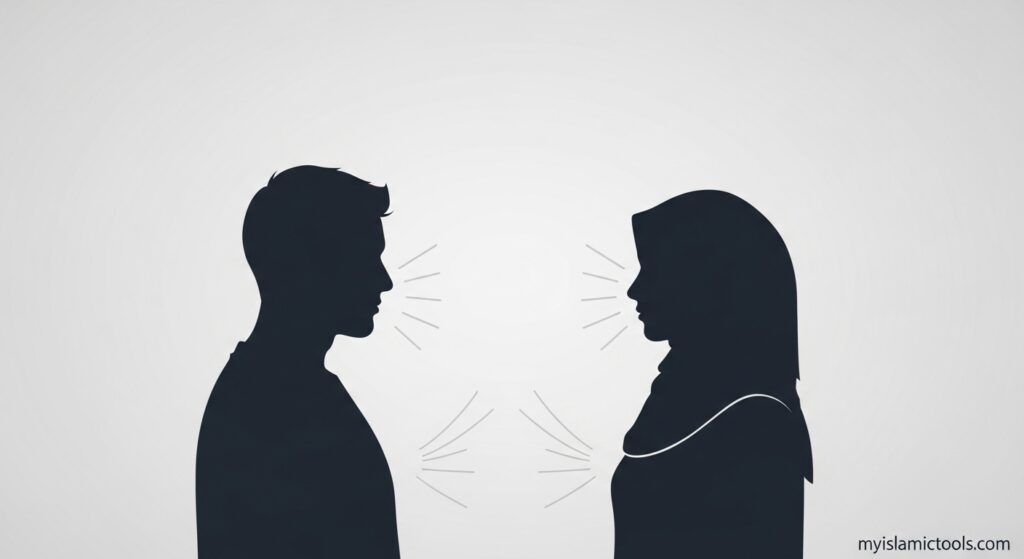
Modesty in Islam also dictates how we use our words. This means avoiding gossip, backbiting, swearing, and unnecessarily harsh or loud language.
The power of this speech restriction is amazing. When you choose to speak modestly, you cultivate authority and respect. People listen more carefully when they know you choose your words with care, and when they know you won’t tear others down when they’re not around. This type of verbal discipline protects your relationships and builds trust in your community.
Modesty in Gaze and Interaction
The command to lower the gaze (Ghad ul Basar) is given to both men and women in the Quran. This is a massive foundation for respect and healthy societal interaction. It’s not about avoiding everyone; it’s about controlling your intention and perception.
By practicing modesty in your gaze, you:
- Protect Your Mind: You stop filling your thoughts with superficial comparisons and judgments.
- Ensure Safety: You create a respectful and non predatory environment for everyone you interact with.
- Maintain Dignity: You honor the privacy and dignity of every single person you encounter, regardless of what they are wearing.
This practice is key to maintaining a healthy spiritual heart and ensuring that your interactions with others are based on true respect, not fleeting attraction or judgment. It’s a powerful act of internal discipline that is a cornerstone of modesty in Islam.
Modesty in Islam: Historical and Modern Case Studies
The idea that modesty equals oppression usually comes from modern, Western perspectives. But look at history and the contemporary world; you see modesty in Islam used as a revolutionary and empowering statement.
The Early Example of Female Scholars
During the Islamic Golden Age, many of the greatest scholars and transmitters of Prophetic traditions were women who dressed modestly. Figures like Aisha and Fātimah bint Muhammad al Samarqandī were leaders in jurisprudence, poetry, and hadith transmission. Their modesty didn’t restrict their ability to teach, debate, or influence the intellectual direction of the time. In fact, their piety and self control only added to their authority. Their identity was rooted in their knowledge, not their appearance.
Modesty as Resistance in Modern Times
Today, many Muslim women choose to embrace the hijab and full modesty as an act of resistance against cultural assimilation or Western pressure.
In places where Muslim women are marginalized or pressured to conform, choosing modesty is a powerful, visible statement that says: “My identity is rooted in my faith, and I am not ashamed.” This public declaration is an incredibly empowering act of self determination and courage. It makes faith visible and demands respect on terms set by the believer, not by the spectator.
Cultivating Inner Modesty (Hayā) for Lasting Peace
True modesty in Islam is always an inside out job. The clothes are simply an outward manifestation of a deep internal quality called Hayā.
Hayā: Self Respect and Awareness
Hayā is a feeling of shame or shyness that prevents you from doing anything that is improper or goes against dignity and high moral standards. It’s an internal moral compass.
When you develop a strong sense of Hayā, you don’t need external rules or police to monitor your behavior. You monitor yourself because you feel a natural sense of respect for yourself and, more importantly, a sense of accountability to God.
This self control is deeply empowering because it means you aren’t a slave to your desires or the fleeting opinions of others. You are guided by a higher purpose and an internal moral framework that is completely stable and independent of your environment. This is the definition of true personal strength.
The Connection to Prayer and Mindfulness
Practices like Salat (prayer) and Zikr (remembrance of God) directly cultivate Hayā. When you stand before God five times a day, you are constantly reminded of your place and purpose. This regular spiritual check in reinforces modesty in your thoughts and actions throughout the day.
Prayer serves as a reset button, scrubbing away the pride, self focus, and vanity that the modern world often forces upon us. It humbles the spirit and reminds us that our true reward is not in fleeting social media likes or compliments, but in the approval of the Divine. This spiritual discipline is the bedrock of lasting inner peace and ethical behaviour.
Practical Steps to Embrace Empowering Modesty
1. Identify Your Triggers
Take a moment to identify the things that make you feel pressure to dress, speak, or act immodestly. Is it social media? A certain group of friends? Advertising? Once you know the source of the pressure, you can consciously limit your exposure to it. True empowerment starts with protecting your mental boundaries.
2. Focus on Function Over Fashion
When shopping, try to shift your criteria. Instead of asking, “Is this trendy?” ask, “Is this piece comfortable, functional, and does it help me meet my religious goals?” Building a thoughtful, modest wardrobe means investing in pieces that serve your mission, not just your ego. It saves time and energy, which are both precious resources.
3. Practice Modesty in Speech
This is a great place to start your internal modesty journey. For one week, make a serious effort to avoid gossip or saying anything negative about another person, even when it’s tempting. You will quickly feel the clarity and peace that comes with guarding your tongue. People will also immediately notice the shift in your demeanor, and your respect level will increase dramatically.
4. Own Your Choice
Whether you choose to cover entirely or practice modesty in your actions, modesty in Islam is a deeply personal commitment. When you own your choice with confidence, it disarms critics. You don’t have to apologize for your dignity. When people ask you about your commitment, answer with confidence and kindness. Your peace is your power.
Modesty is not a burden; it’s an invitation to a life defined by spiritual purpose, intellectual pursuit, and genuine self respect. It is the ultimate antidote to a world obsessed with surface level appearance, and it offers deep, lasting freedom.
FAQs: Unpacking Modesty in Islam
1. Why do critics always say modesty in Islam is restrictive? How is it actually empowering?
That’s the number one misconception! People usually focus only on the cloth and see it as something imposed. The truth is, modesty in Islam is empowering because it gives you control over your worth. It’s a declaration that your value doesn’t come from your physical appearance or conforming to fleeting trends. You are free from the impossible pressure of the beauty industry and society’s gaze. That’s real freedom.
2. Is the idea of modesty in Islam only for women? What are men required to do?
Not at all! Modesty in Islam is a 360 degree concept that applies to everyone. For men, the primary physical requirements are covering from the navel to the knee. But more importantly, men are commanded first to lower their gaze (Ghad ul Basar). They also have a massive obligation regarding verbal modesty—avoiding harassment, gossip, foul language, and aggressive behavior. Modesty is a universal command for self control and respect.
3. If modesty in Islam is about my heart, why does it need specific rules about clothing?
This is a classic question. Think of it this way: the external action is the manifestation of the internal state, Hayā (inner modesty). If you truly value yourself and your spiritual relationship, you won’t want to expose yourself or engage in behaviors that compromise that relationship. The clothing rules are the societal framework that helps protect that inner state, ensuring dignity and safety for everyone.
4. Does embracing modesty in Islam mean I can’t be fashionable or express my personal style?
Absolutely not! Modesty in Islam is about criteria (covering the Awrah, avoiding sheer/tight clothes), not about dullness. You can be incredibly creative and stylish within the modest guidelines. The key difference is that your fashion choices should reflect you and your commitment, rather than chasing every fast fashion trend purely for external validation. It’s a shift from “look at me” to “look at my character.”
5. How can I deal with family or friends who think my choice to practice modesty in Islam is extreme or oppressive?
This is tough, but your confidence is your best tool! First, own your choice—don’t apologize for your dignity. Second, respond with kindness and focus on the empowerment aspect. You can say, “It actually gives me peace because I’m opting out of pressure,” or “This helps me focus on my studies/work, not my outfit.” Sometimes, simply seeing your genuine peace makes them reconsider their assumptions about modesty in Islam.
6. Is the modesty in Islam a cultural thing or a religious requirement? I see different styles around the world.
Great point! The core modesty in Islam is a religious requirement (e.g., covering the head, covering the body, lowering the gaze). However, how that is expressed—the color, the fabric, the specific cut—that is absolutely cultural! A Muslim woman in Nigeria might wear a colorful wrapper and scarf, while a Muslim woman in New York might wear simple black layers. Both are fulfilling the religious requirement, but using their own cultural flavor.
7. What is Hayā and how is it the real key to understanding modesty in Islam?
Hayā is the foundational inner quality. It translates best as a deep sense of shame, shyness, or self respect that prevents you from doing anything indecent or undignified. It’s your internal moral compass and your accountability to God. When you develop strong Hayā, you don’t need police or external rules—you regulate yourself. The practice of modesty in Islam in dress and deed is just the outward sign of this powerful internal Hayā.
8. Is wearing makeup or jewelry considered immodest in Islam? Where is the line?
The guidelines primarily focus on avoiding Tabarruj, which means displaying one’s beauty in a way designed to attract attention or cause temptation. For everyday life, simple jewelry and light makeup for cleanliness and self care are generally fine. The line is usually drawn when the appearance becomes extravagant, excessive, or changes your features so much that it defeats the purpose of modesty in Islam by drawing excessive, unnecessary attention to you.
9. If I struggle with things like gossip and harsh speech, am I failing at modesty in Islam, even if I dress modestly?
Yes, because modesty in Islam is a holistic package! Dressing modestly is one great step, but the tongue is considered one of the hardest things to control. If you gossip or use hurtful speech, you are violating the principle of modesty in character and speech. Don’t worry about “failing,” though—it’s a constant journey. Focus on actively guarding your tongue and making Tawbah (repentance) when you slip up. It’s all about consistent effort.
10. Does modesty in Islam conflict with professional life or being a powerful leader?
Absolutely not—it enhances it! Historical examples show that piety and modesty in Islam only added to the authority of female scholars, leaders, and even powerful business owners. When you remove appearance from the equation, you force people to respect your competence and authority. Modesty demands they focus on your intellect and skills, which is a massive advantage in any serious professional setting.